Contact’s ARFID podcast episode tells one mum’s powerful story
4 mins read
Wednesday 18 February 2026
Contact’s latest podcast episode featuring ARFID awareness advocate Michelle Jacques is shining a spotlight on Avoidant/Restrictive Food Intake Disorder (ARFID) – a complex and often misunderstood eating disorder affecting children and young people across the UK.
In the episode, Michelle shares her family’s journey as her autistic son developed increasingly restrictive eating from early childhood. What began as sensory sensitivities progressed to a severely limited diet, bringing years of anxiety and battles to get medical support.
Michelle speaks candidly about the emotional toll on the whole family, the frustration of having concerns dismissed as ‘fussy eating’, and the daily challenges ARFID brings.
But the conversation is also one of hope. Michelle explains how removing pressure around food, focusing on happiness, and accessing appropriate medical support has helped transform her son’s health and wellbeing.
In this article
Advice for parents navigating ARFID
Drawing on her lived experience, Michelle shared several key messages for other parents in the episode.
Remove pressure around food
For many children with ARFID, pressure can worsen anxiety and restriction.
Focus on nourishment, not perfection
The goal is a happy, fed child – not a picture-perfect plate every mealtime. Better eating habits can be built over time.
Understand sensory and anxiety triggers
ARFID is often rooted in sensory sensitivity, fear of choking, vomiting, or negative past experiences. Try to understand what the triggers are for your child.
Prepare for setbacks
ARFID is a rollercoaster – you might make some progress, but illness or another trigger could lead to some ‘safe foods’ being rejected again. Learn to accept that this will happen and know that it can improve again.
Accept that it isn’t your fault
The guilt can feel overwhelming at times, but try to remind yourself that it is not your fault.
Advocate
Available support through the NHS can be a postcode lottery, even after obtaining a diagnosis. Keep pushing for recognition, referrals, and appropriate support.
Find community
Parenting a child with ARFID can feel lonely – connecting with other parents who truly understand can really help.
Where to find ARFID support
Michelle also shared some links to support that she’s personally found very helpful.
Living with ARFID, support for parents & carers UK is a support group on Facebook with over 25,000 members.
ARFID Awareness UK provides resources and a Helpfinder tool for local support.
BEAT Eating Disorders offers ARFID-specific support, including:
Helpfinder tool to locate services in your area.
Anchor 1-to-1 sessions – access depends on location.
Unable to access your child’s free school meal?
Many disabled children are entitled to free school meals, but struggle to access their entitlement to them because of their disability or medical condition. This includes some children with ARFID.
Schools have a legal duty to make “reasonable adjustments” to the way they deliver free school lunches. Use our legal guide and these template letters to ask your school for a food voucher. This includes if your child is in receipt of an EOTAS package.
More ARFID support from Michelle
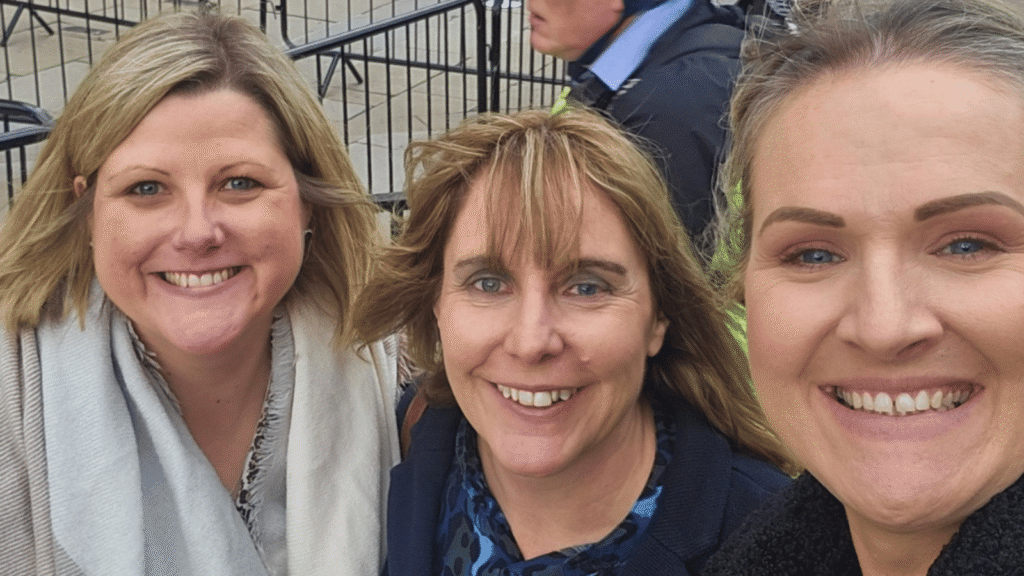
Michelle co-hosts a brilliant podcast 3 Mums 1 Mission – ARFID, available on Spotify and other podcast platforms.
Michelle also runs face-to-face and online workshops for families in Essex via the charity SEND The Right Message. Here she shares her lived experience and knowledge to help parents understand eating difficulties within neurodivergent families.
Where can I listen?
You can subscribe to our podcast on your platform of choice:
Visit the following links to find us:
Or visit our Acast podcast homepage.
You can also find our podcast episodes on our Youtube channel.
Please note, the views expressed are those of the podcast guest and not necessarily those of Contact.
Read the transcript
A copy of the full transcript is available here.