
As part of the Children and Families Act 2014 (section 32) it is a legal requirement that all local authorities ensure children and young people with special educational needs and disabilities (SEND) and their parents have access to impartial information, advice, and support. This includes through a dedicated Information, Advice, and Support (IAS) service. That service must provide free, confidential, and impartial information advice and support to children and young people aged 0 – 25, and their families, on matters relating to SEND.
SENDIAS services provide information, advice, and support through a dedicated helpline, website, resources, and email, as well as face to face by appointment. They operate all year round, Monday to Friday. If you are unable to get through to them, there will be an answerphone service. You can leave a message, and someone will be in contact. SENDIASs also provide information through signposting, and by delivering training.
SENDIASs are impartial services. They have access to a large amount of legal training on SEND law across education, health, and social care. Their role is to give legally based advice only. They do not take sides in any disagreement between professionals and children, young people or parents.
A set of minimum standards underpins all SENDIAS services. These DfE-endorsed standards are based upon the requirements on services as set out in the Children and Families Act, SEND Code of Practice and in the SEND regulations. These standards set out how services should be commissioned, managed, and governed, as well as their strategic functions, operational functions, and professional development.
Co-production is vital to ensure SENDIASs meet their best practice and statutory responsibilities. This includes children, young people, and parents being part of the commissioning and design of the SENDIASs. Through the SENDIASs steering group that must include children, young people, and parents. SENDIASs must be set up to reach and be able to work directly with children, young people, and parents as well as practitioners. And this can only be achieved through co-production.
The steering group should be the method that those involved in SENDIASs, including children, young people, parents and SEND practitioners from the LA and Health teams, can support the SENDIASs to achieve its aims, and to challenge the SENDIASs on best practice, including the minimum standards.
SENDIASs are self-referral services. It is a requirement that they, and their Local Authority, make themselves known to all in their local area. They’ll do this through a variety of methods including through local schools and colleges, social media, the local offer and their website. Other professionals or services cannot make referrals to SENDIASs as this would impact the confidentiality of the service.
SENDIASs are statutory services. This means the local authority has to fund them. The local authority is ultimately responsible for making sure they are meeting the Local Authority’s legal requirements to ensure children, young people and parents have access to impartial IAS. One of the requirements of a SENDIA, which both the service and the local authority legally must adhere to, is that the service is run at arm’s length from the local authority. This means that although there must be good communication between a SENDIASs and their LA, that the SENDIASs must remain impartial. The two should not share confidential information between them.
SENDIASs are confidential services. This means that a child, young person, or parent should be able to access their SENDIASs with the confidence that they will share no details to anyone outside of the service. There is of course a duty to share in the case of safeguarding concerns.
SENDIASs services range hugely. However, all services have the same responsibilities as set out in chapter two of the code of practice.
Video: SENDIAS services and PCFs
Working with SENDIASS in practice: forum success stories
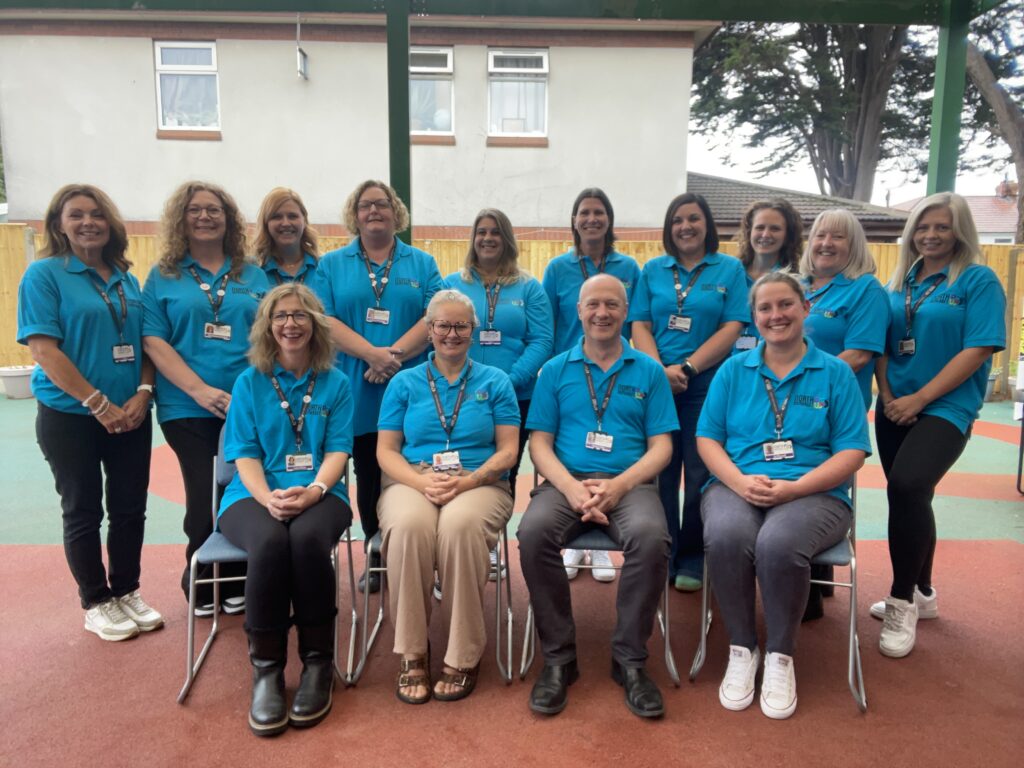
In North Somerset, North Somerset Parent Carers Working Together (NSPCWT) and SEND And You both play key roles in supporting local families with children and young people with special needs and disabilities (SEND). While their roles are different, their shared aim is to improve outcomes and ensure families receive the support, information, and services they need.
- Local parent carer forum, NSPCWT represents the voices and experiences of parent carers to help shape and improve local services
- SAY SENDIAS (SEND and You Special Educational Needs and Disabilities Information, Advice and Support) provides free, impartial information, advice and support on SEND.
In 2018 both organisations recognised the need to “start again” and to reset and strengthen their working relationship. Increasing demand for their services, funding pressures, and the growing complexity of SEND provision made closer collaboration essential.
To support this, they developed a Memorandum of Understanding (MOU) – a shared agreement that sets out how they work together effectively.
The MOU:
- Clarifies roles and responsibilities
- Establishes shared principles and ways of working
- Promotes transparency, trust, and mutual respect
Impact
This clearer, more structured approach has helped build a more positive and productive partnership. It supports better coordination between services and contributes to a more joined-up experience for families.
Funding and Development
There was no specific funding allocated to develop this work. It was achieved through the time and commitment of both organisations.
NSPCWT initially received core funding from the Department for Education (DfE) and has since secured additional funding through the Local Authority, health commissioners and grants to support its wider partnership work.
Sharing Good Practice- North Somerset’s Memorandum of Understanding
A template version of the PCFs MOU document created by North Somerset SENDIAS service and the PCF is available here.
A case study about this work can be found on the Council for Disabled Children’s website here.
Last Updated: September 2026
Do you have any thoughts about this page? Visit our How to feedback page to share them.
Looking for something else? You can find a full list of pages on our Parent carer forum handbook contents page.