Browse this section
Common concerns
Who to talk to about concerns
You can talk about any worries you have about your child with your family doctor (GP), health visitor or nurse.
Read more
Behaviour that challenges
Behaviour can become challenging when it happens often or it is harmful to the child, the parent or other people.
Read more
Helping you and your child sleep
Disabled children and those with certain medical conditions are more likely to experience problems with sleeping.
Read more
Feeding and eating
Learn about the reasons your child might be having difficulty eating and find out what you can do to address common issues.
Read more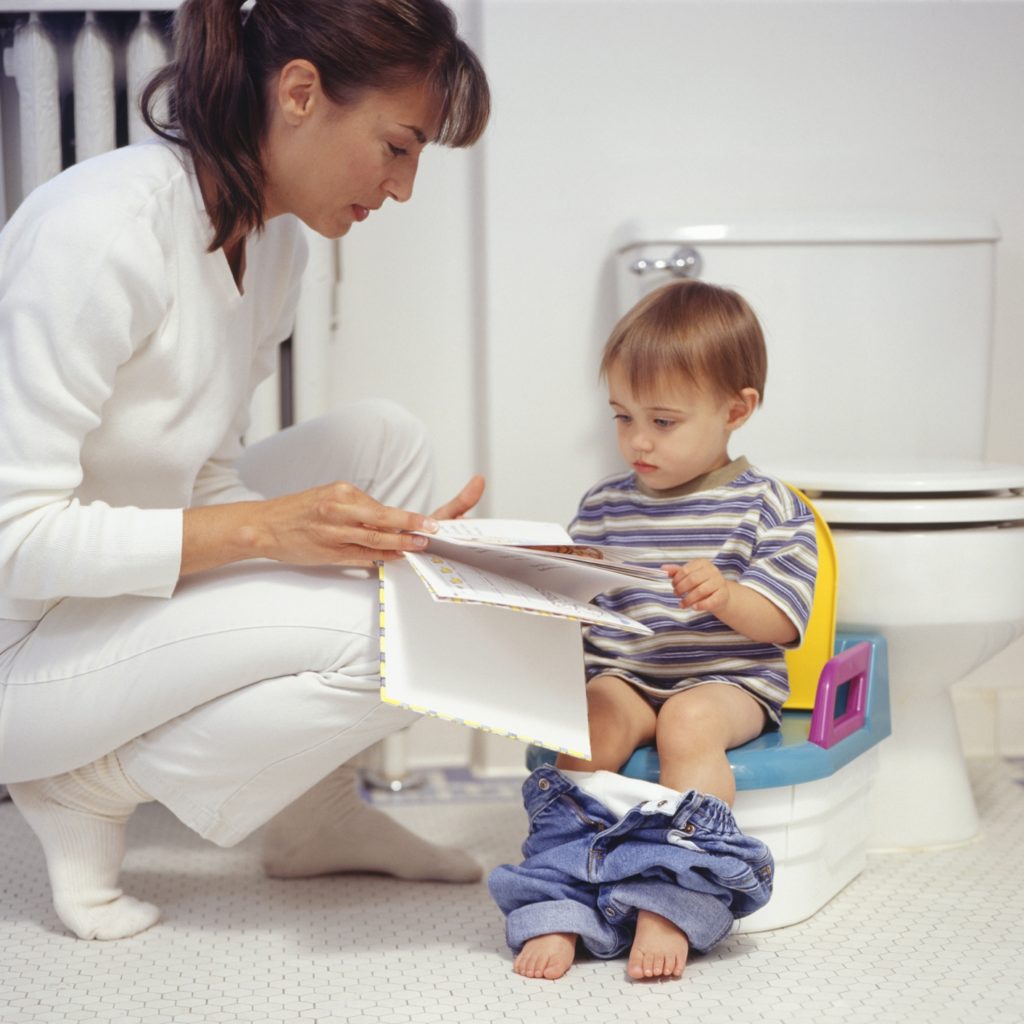
Potty and toilet training
On this page we explain how to start toilet training and what you can do to deal with common issues.
Read more
Speech, learning and movement
Is your child slow to understand simple words, do they use few words, or have difficulty making certain sounds?
Read more
Supporting your child with anxiety
Anxiety can become a problem when a young person feels stuck in it. Here we look at how to support your child…
Read more
Sensory processing differences
On this page we help you understand and identify sensory processing differences and provide strategies and techniques to support your child.
Read more
Dental care
Identifying dental problems and treating them early enables children to continue to lead fulfilling lives.
Read more
Eye care
On this page we explain how to make sure your child is getting good eye care.
Read more
Hearing care
Learn how to spot the signs of hearing problems and what you can do to look after your child's hearing.
Read more
Annual health checks
Young people aged 14 or over with a learning disability are entitled to a free NHS health check every year.
Read moreAll about diagnosis

Getting a diagnosis
Once you realise your child may have a learning difficulty or health problem, getting a diagnosis might be the next step.
Read more
Support when your child does not have a diagnosis
Your child and your family are entitled to support whether they have a diagnosis or not.
Read more
Developmental delay
A child with developmental delay is much slower in reaching one or more developmental milestones than expected.
Read more
Advice from other parents
We gathered tips from parents who have 'been there' – hopefully these will help you to manage your diagnosis journey.
Read moreCondition information

A-Z medical conditions
Read more
Rare conditions
There is plenty of advice out there if your child has a rare condition, including support from other parents.
Read more
All about genetics
This page explains two forms of inheritance, the single abnormal gene and chromosomal abnormalities.
Read more
Finding medical information
If you’re using the internet to find information about medical conditions, you will need to carefully evaluate what you find.
Read more
About Contact’s medical information
We have an A-Z directory of medical conditions, including information about symptoms, treatment and support. Here's how we keep it accurate.
Read moreHealth services

Introduction to health services
Find out how healthcare is structured in the four UK nations, how to access services, and where to find more support.
Read more
GPs & primary care
Primary care is the local healthcare that we receive from General Practitioner (GP) practices, NHS walk-in centres, dentists, pharmacists and opticians.
Read more
Hospitals, mental health & community services (secondary care)
Hospital and community services are often referred to as ‘secondary care’ as you are usually referred to the service by another professional.
Read more
CAMHS mental health services
CAMHS stands for child and adolescent mental health services, which support children and young people with their emotional or behavioural wellbeing.
Read more
Mental health, autistic and learning disabled children
If your child is experiencing a mental health crisis, it’s helpful to know what extra support is available.
Read more
Continuing care
Continuing care is a package for children and young people aged under 18 with complex health needs arising from illness or disability.
Read more
Specialist services (tertiary care)
If your child has a very complex or very rare condition, they might be referred onto what are called specialised services.
Read more
Appointment tips
There are simple things you can do to make it easier for your child to see their GP.
Read more
Putting things right
If you're unhappy with the service you've received from a healthcare service, there are different options to put things right.
Read more
Moving to adult health services
After your child turns 18, at some point they will need to transfer to adult health teams.
Read moreInfections & vaccines

Respiratory syncytial virus (RSV)
RSV (respiratory syncytial virus) is one of the most common viral causes of coughs and colds in winter.
Read more Strep A
Read about the signs and symptoms of Strep A, how to protect your child and when to get help.
Read more
The flu vaccine
Questions and answers about getting a flu vaccination to address concerns parents have raised with us.
Read more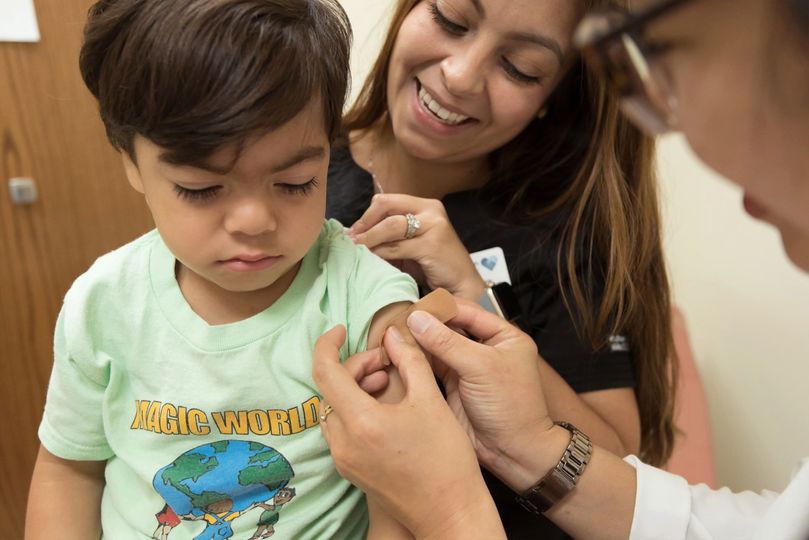
The Covid-19 vaccine
The coronavirus (Covid-19) vaccine is as an injection into the upper arm that protects against the Covid-19 virus.
Read moreYou might also be interested in:

Hemihelp
We support families with a child with hemiplegia, from diagnosis and treatments to moving into adulthood.