Browse this section
About hemiplegia
What is hemiplegia?
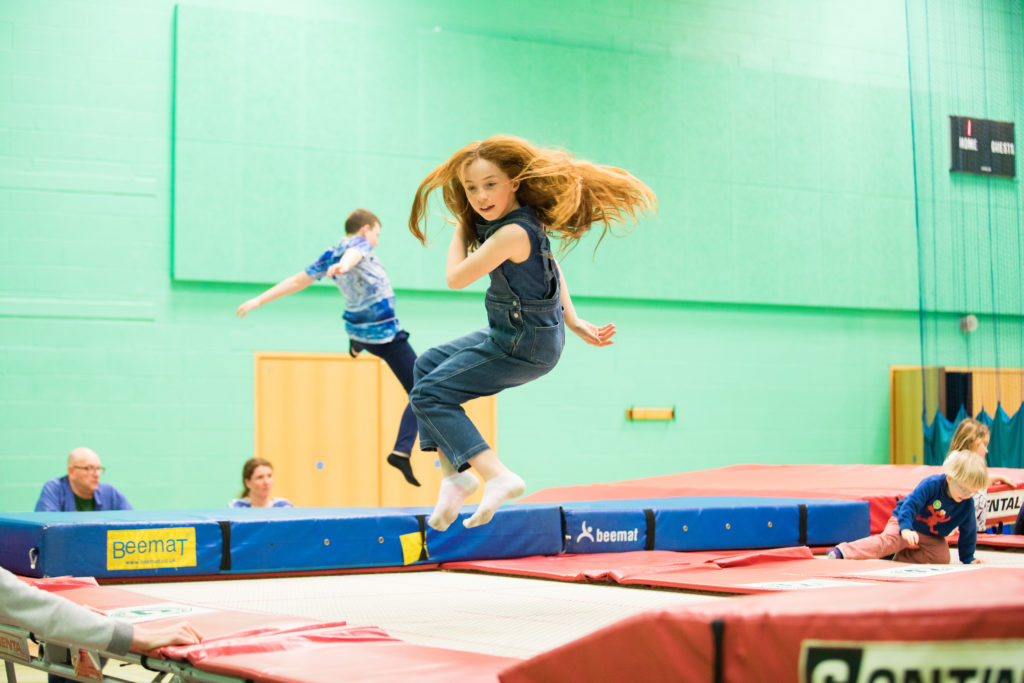
Childhood hemiplegia (sometimes called hemiparesis) is a condition caused by damage to parts of the brain or spinal cord.
Read moreTreatment
How is hemiplegia treated?
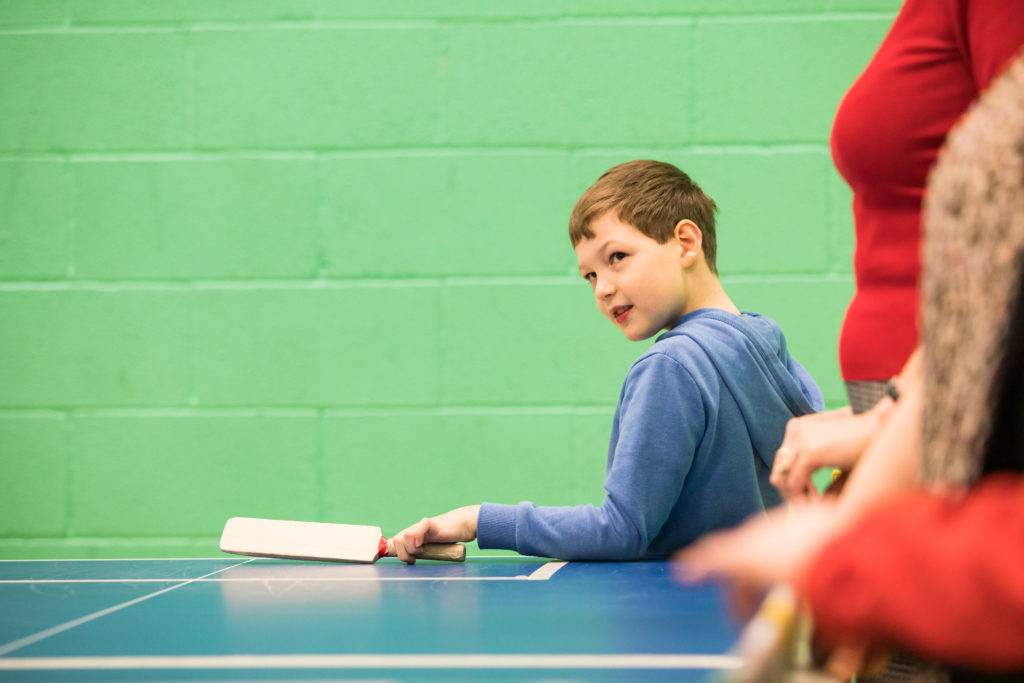
Children with hemiplegia tend to undergo multi-therapy approach, including physiotherapy and occupational therapy.
Read more
Hemiplegia and diagnosis
Receiving a diagnosis that your child has hemiplegia is a critical event, and it can be extremely difficult to process.
Read more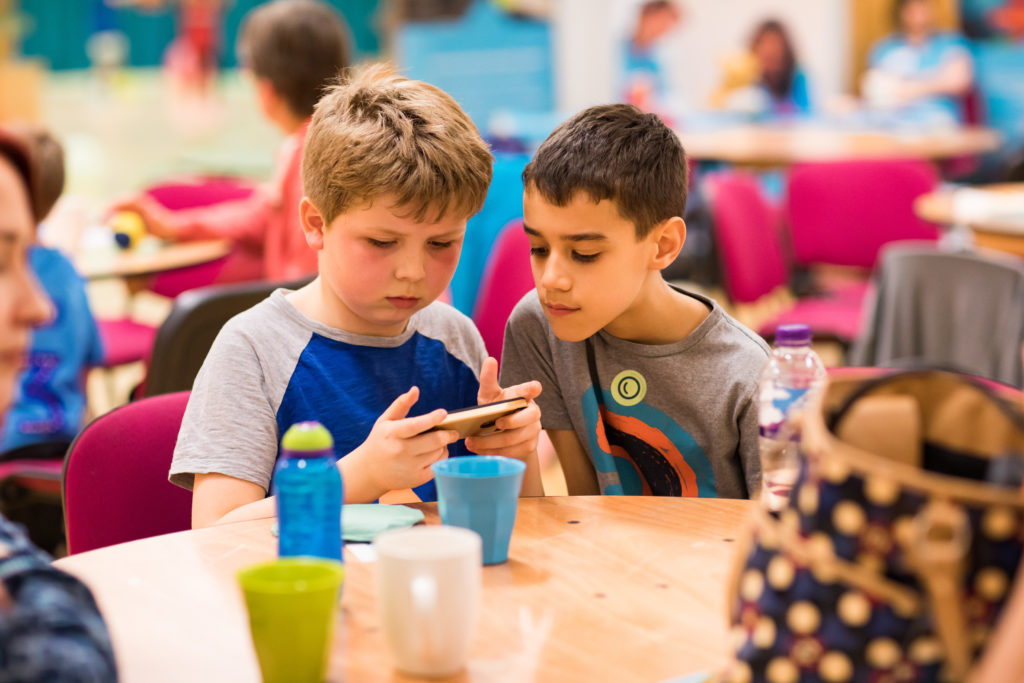
Physiotherapy
The aim of physiotherapy will be to make a child as physically two-sided as possible.
Read more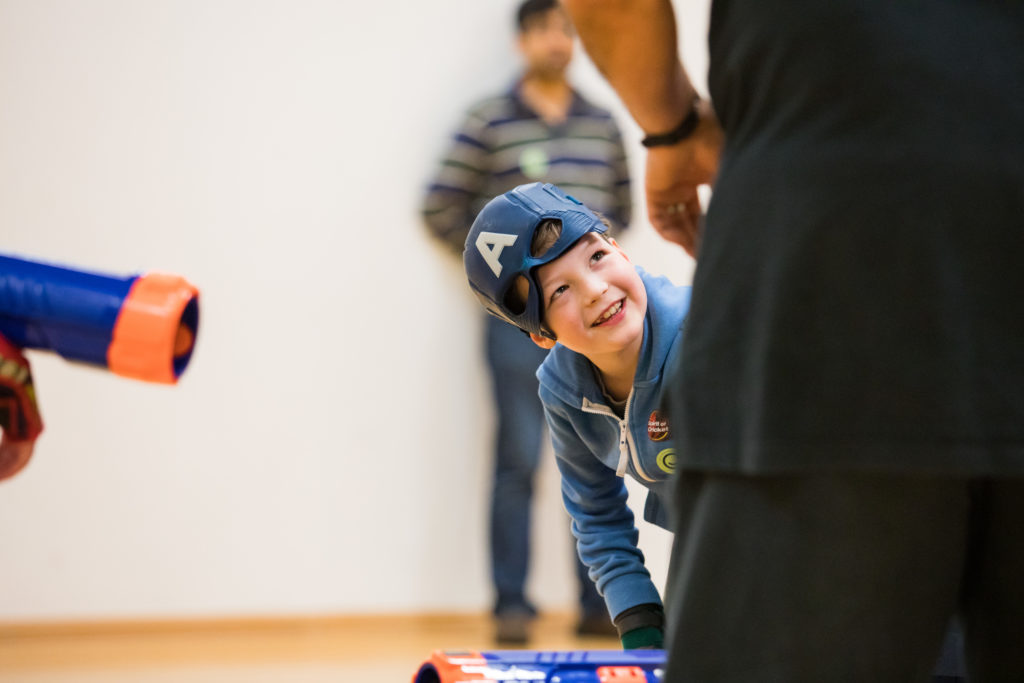
Occupational therapy
Children and young people with hemiplegia may take longer to acquire these skills, and this is where the occupational therapist comes in.
Read more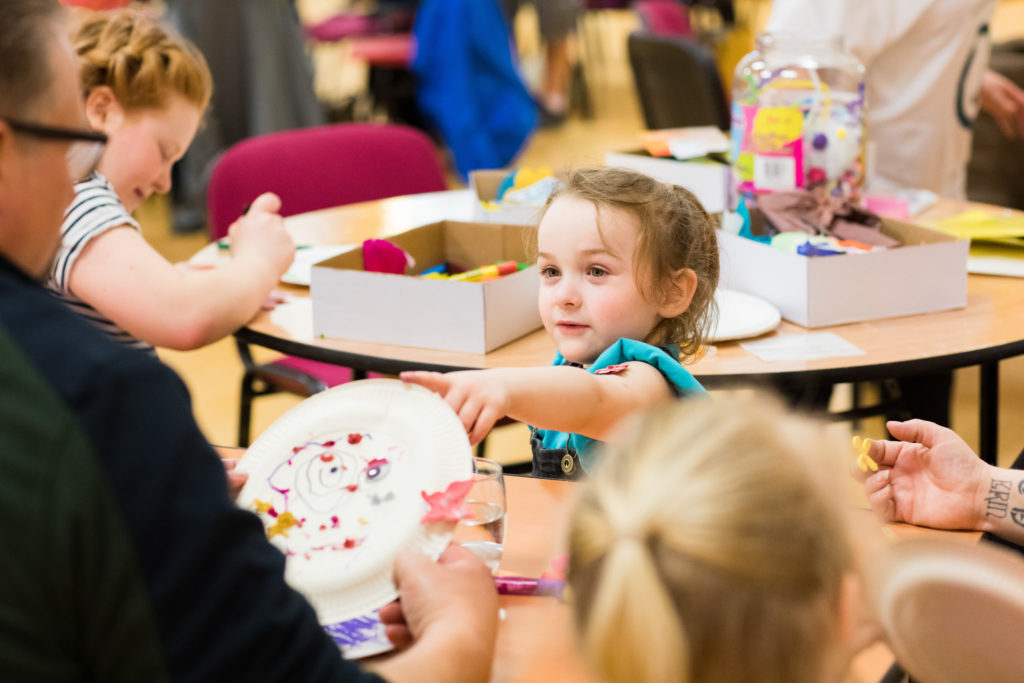
Ankle & foot splints or orthoses (AFOs)
Ankle & foot splints or orthoses (AFOs) have been used for many years to help manage the gait of children with hemiplegia.
Read more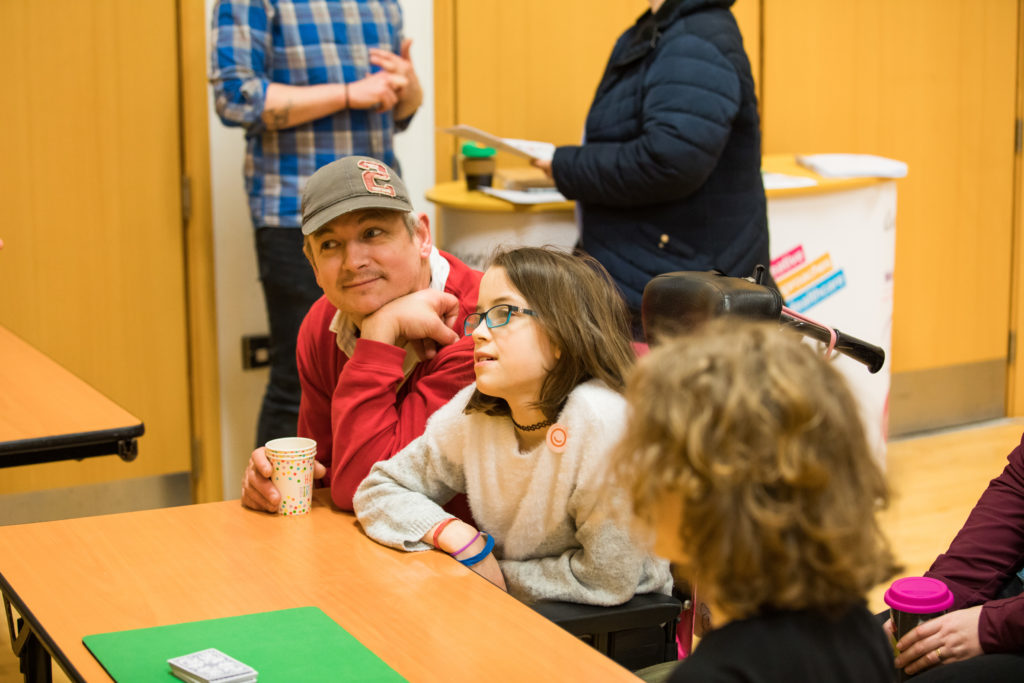
Upper limb splinting
A type of intervention where a piece of material supports or restricts the movement of an arm, shoulder, elbow, wrist or hand.
Read more
Orthopaedic surgery
Most current surgery is directed towards relieving the physical effects of the brain injury.
Read more
Botulinum toxin and hemiplegia
Botulinum toxin (also known as Botox) injections are frequently offered to children with hemiplegia as part of their movement therapy programme.
Read moreAssociated issues

Emotions & behaviour
Behaviour can become more concerning when it begins to affect the quality of life of the child and those around them.
Read more
Epilepsy
What epilepsy is, why it is associated with hemiplegia and how it might be treated.
Read more
Difficulties seeing
Which aspects of seeing may be affected in people with hemiplegia, and how these issues can be identified and managed.
Read moreEveryday activities
Dressing
On this page we have advice on helping your hemiplegic child get dressed, including tips on clothing.
Read more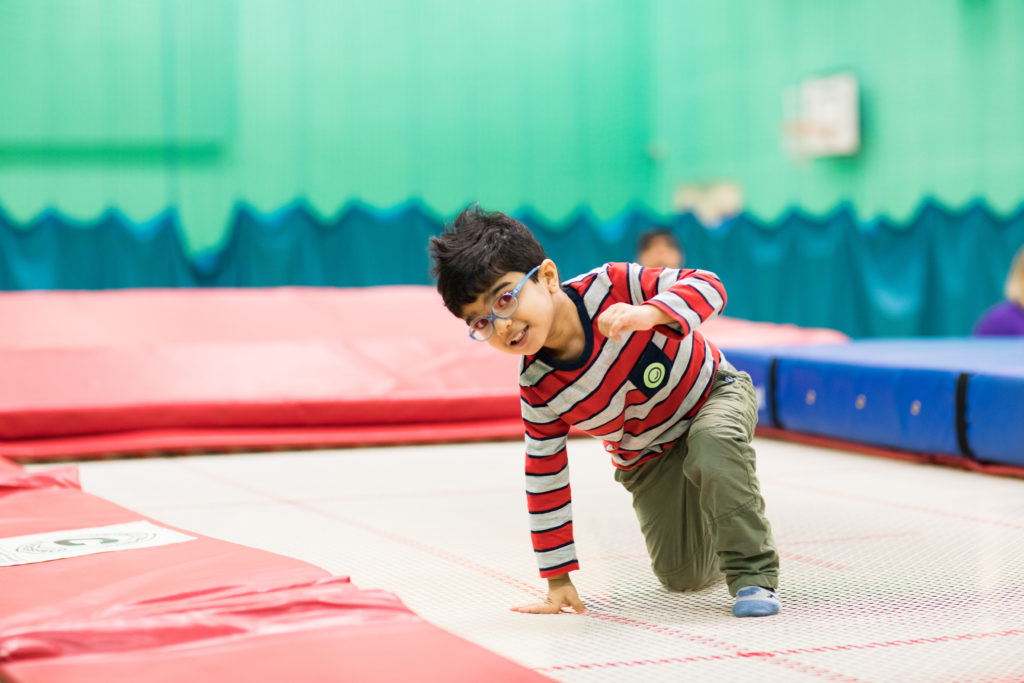
Shoes & shoe lacing
Finding appropriate footwear for your child, where to find it, and advice on shoe lacing for children with hemiplegia.
Read more
Tweaking & adapting computers
On this page, we look at ways to make using a computer easier for people with hemiplegia.
Read more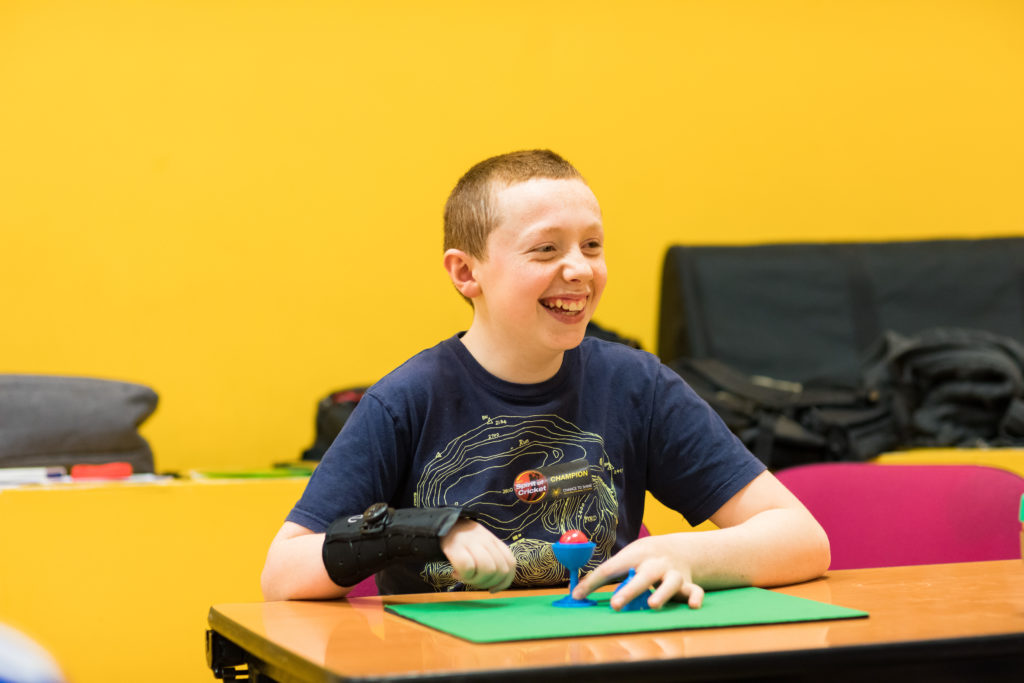
Musical instruments
Playing an instrument can increase self-confidence and help general coordination and social development.
Read more
Cycling
Children of all ages love to ride a bike, and children with hemiplegia are no different.
Read more
Driving
Many people with hemiplegia can learn to drive, usually an automatic car with power steering and modifications to the controls.
Read moreOther support
Getting into work
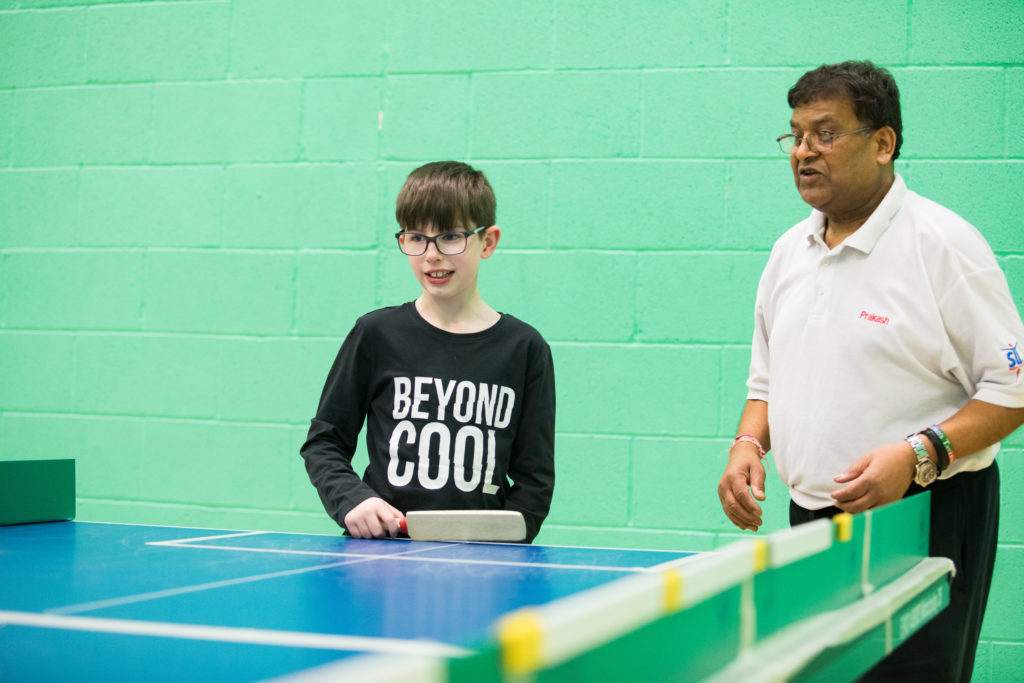
An important part of transition to adult life has always been leaving education and entering the workplace.
Read more
Support for your family
Here are the key topics you'll need to know about as a parent of a disabled children.
Read moreFor practitioners

Diagnosis
The way you give parents the diagnosis is important. It may influence how they build up an ongoing relationship with their child…
Read more
Helping children with hemiplegia at nursery and school
How to help children with hemiplegia at nursery and school.
Read moreOur HemiHelp hub
Continuing the work of the charity HemiHelp, we provide support to children and young people living with hemiplegia.